
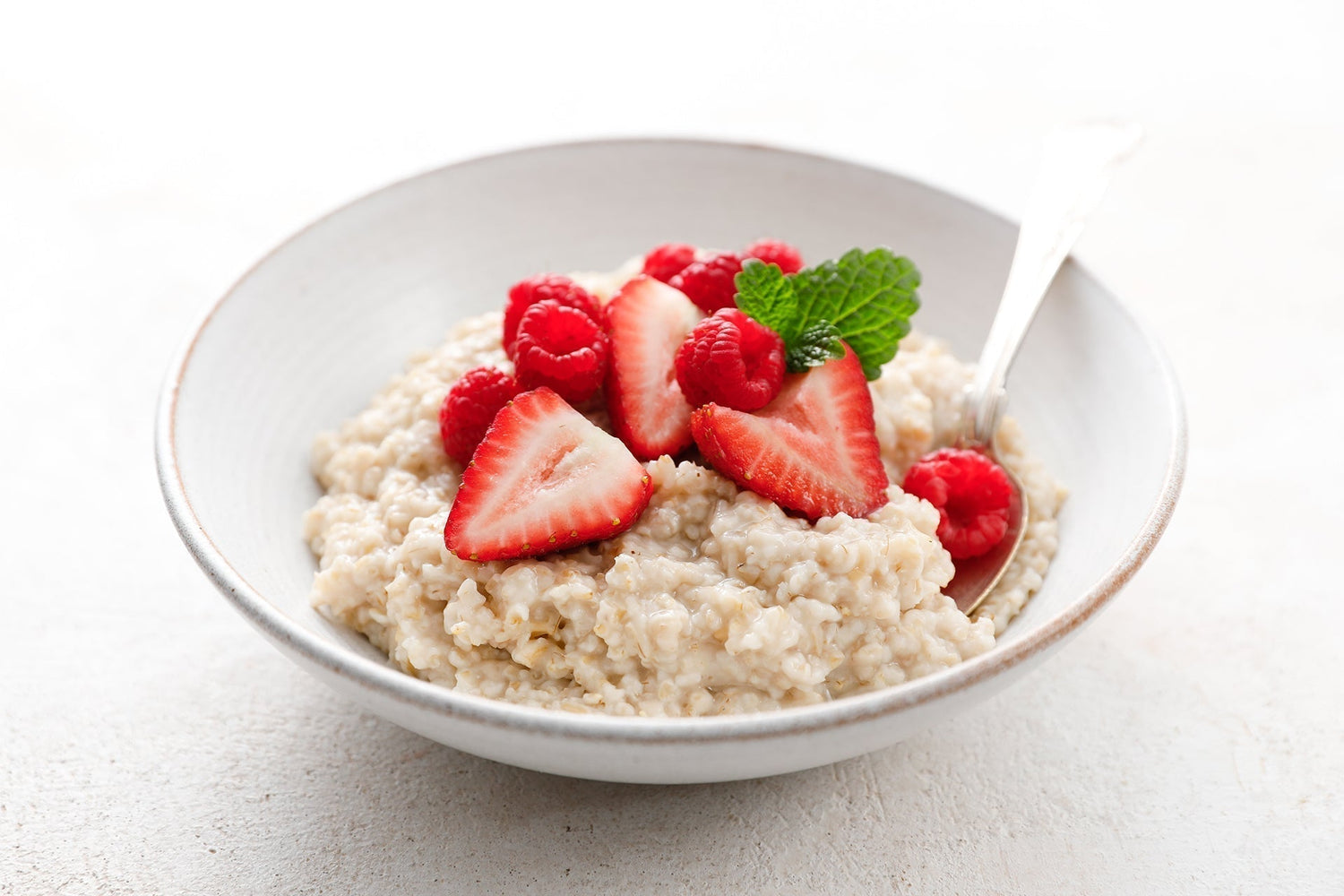
Managing diabetes often comes down to making consistent, smart food choices—especially when it comes to carbohydrates. While many carb-heavy foods can cause spikes in blood sugar, oatmeal stands out as a nutritious option that can help support better blood sugar control when eaten properly.
Rich in fiber, packed with nutrients, and slow to digest, oatmeal can be a valuable addition to a diabetes-friendly diet. Here’s a closer look at why oatmeal is beneficial for diabetics and how to make the most of it.
1. Helps Regulate Blood Sugar Levels
One of the most important benefits of oatmeal for diabetics is its ability to help stabilize blood sugar.
Oatmeal has a low to moderate glycemic index, meaning it causes a slower, more gradual rise in blood glucose compared to refined carbohydrates like white bread or sugary cereals. This is largely due to its high content of soluble fiber, particularly beta-glucan.
This fiber slows down the digestion and absorption of carbohydrates, preventing sharp spikes in blood sugar and helping maintain more consistent levels throughout the day.
2. Improves Insulin Response
Beyond just slowing glucose absorption, the fiber in oatmeal may also improve how the your body responds to insulin.
Beta-glucan has been shown to enhance insulin sensitivity, which means your body can use insulin more effectively to manage blood sugar levels. Improved insulin response is especially important for people with type 2 diabetes or insulin resistance.
Over time, incorporating foods like oatmeal into your diet can support better overall glucose control.
3. Supports Heart Health
People with diabetes are at a higher risk for heart disease, making heart health a top priority.
Oatmeal helps in this area by lowering LDL cholesterol—the “bad” cholesterol that contributes to plaque buildup in the arteries. The same soluble fiber that helps regulate blood sugar also binds to cholesterol and helps remove it from the body.
By supporting both blood sugar control and heart health, oatmeal offers a dual benefit that’s especially valuable for diabetics.
4. Keeps You Full and Reduces Cravings
Hunger and cravings can make diabetes management more challenging, especially when they lead to overeating or poor food choices.
Oatmeal is highly filling thanks to its fiber content. It slows digestion and helps you feel satisfied for longer periods, reducing the need for frequent snacking.
When you feel full and stable, it’s easier to avoid high-sugar foods and maintain better control over your diet.
5. Provides Essential Nutrients
In addition to fiber, oatmeal contains important nutrients that support overall health.
It provides magnesium, which plays a role in glucose metabolism and insulin function. It also contains B vitamins that help your body convert food into energy, along with antioxidants that support overall well-being.
These nutrients make oatmeal a well-rounded food that contributes to more than just blood sugar control.
Choosing the Right Type of Oatmeal
Not all oatmeal is created equal, especially when it comes to managing diabetes.
For the best results, choose minimally processed oats such as:
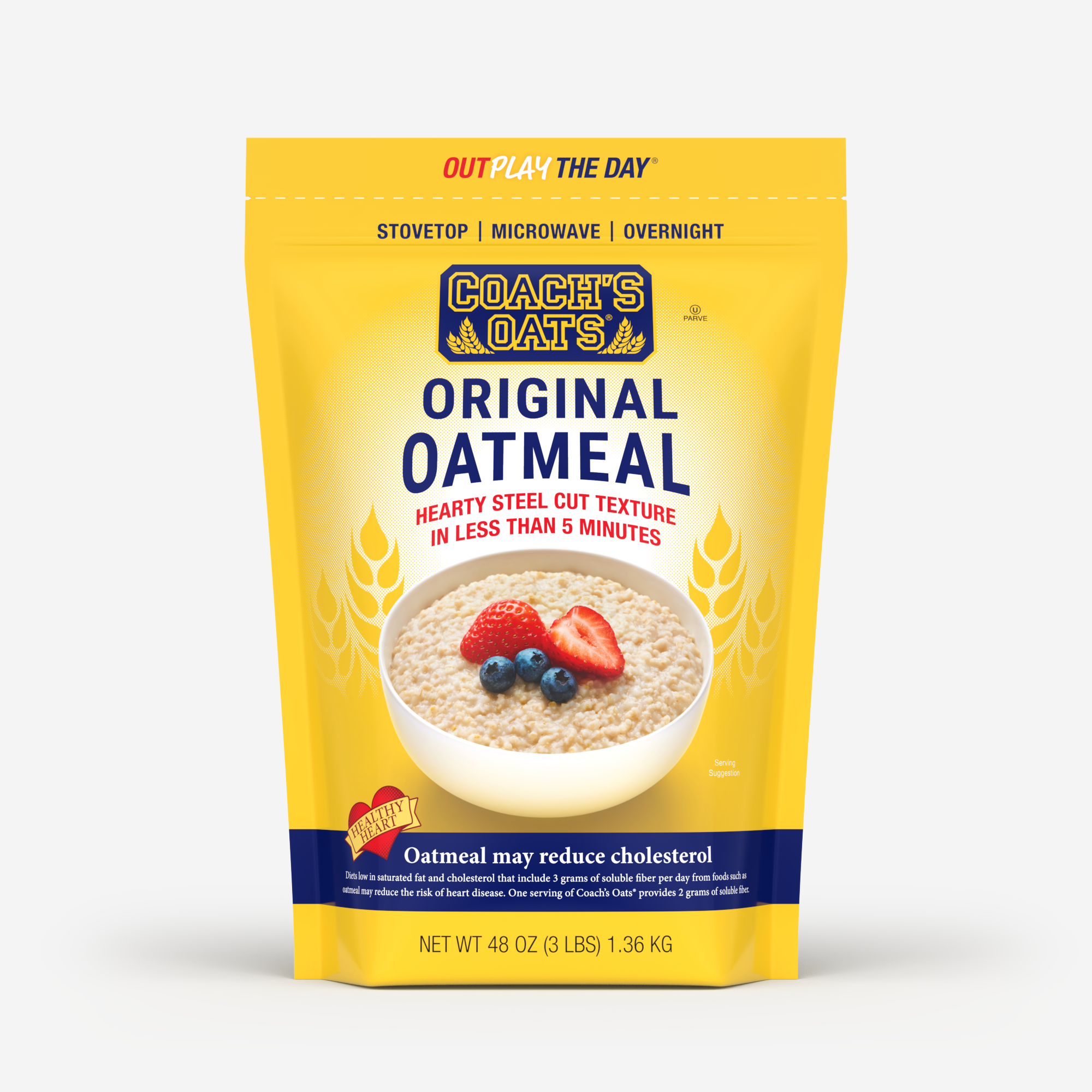
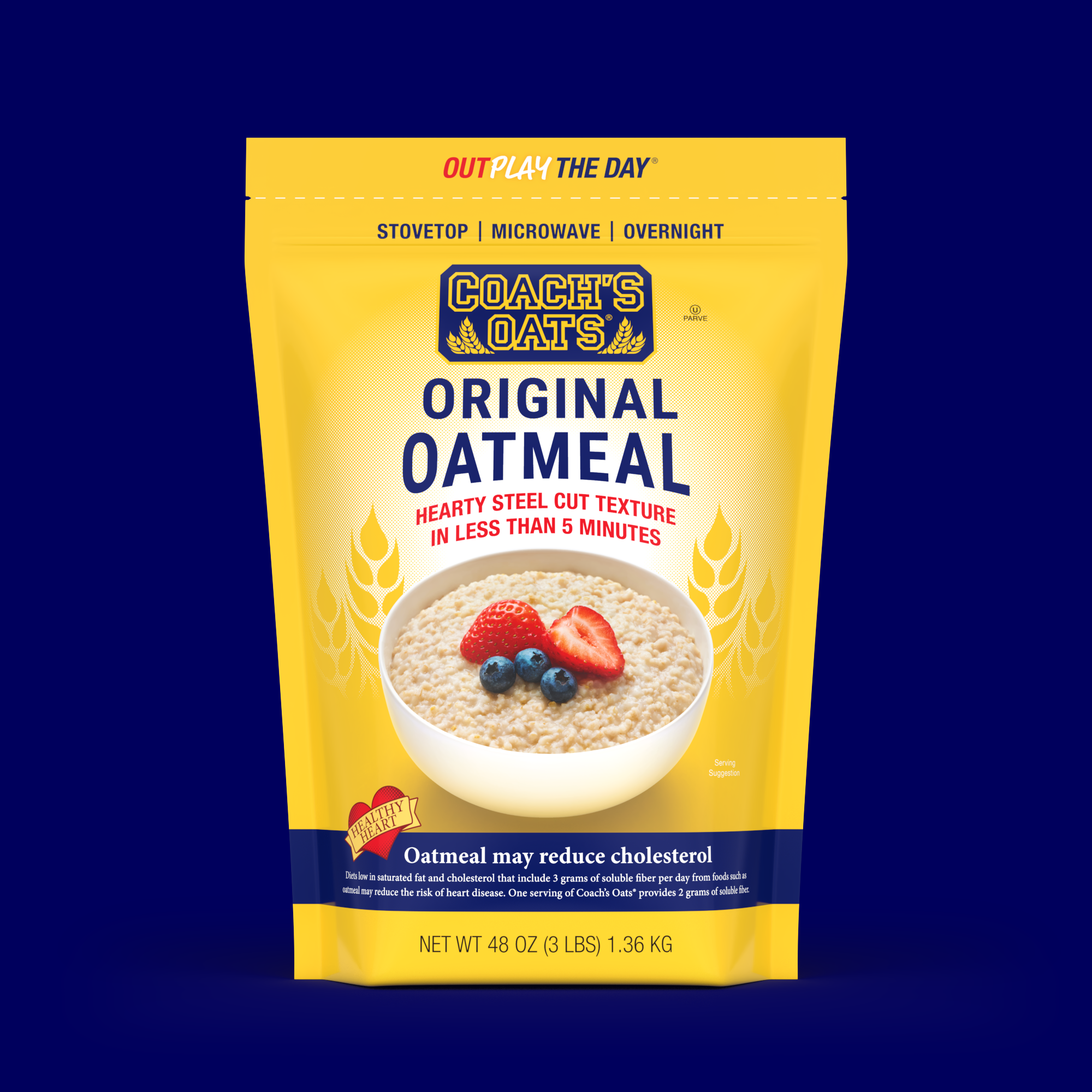
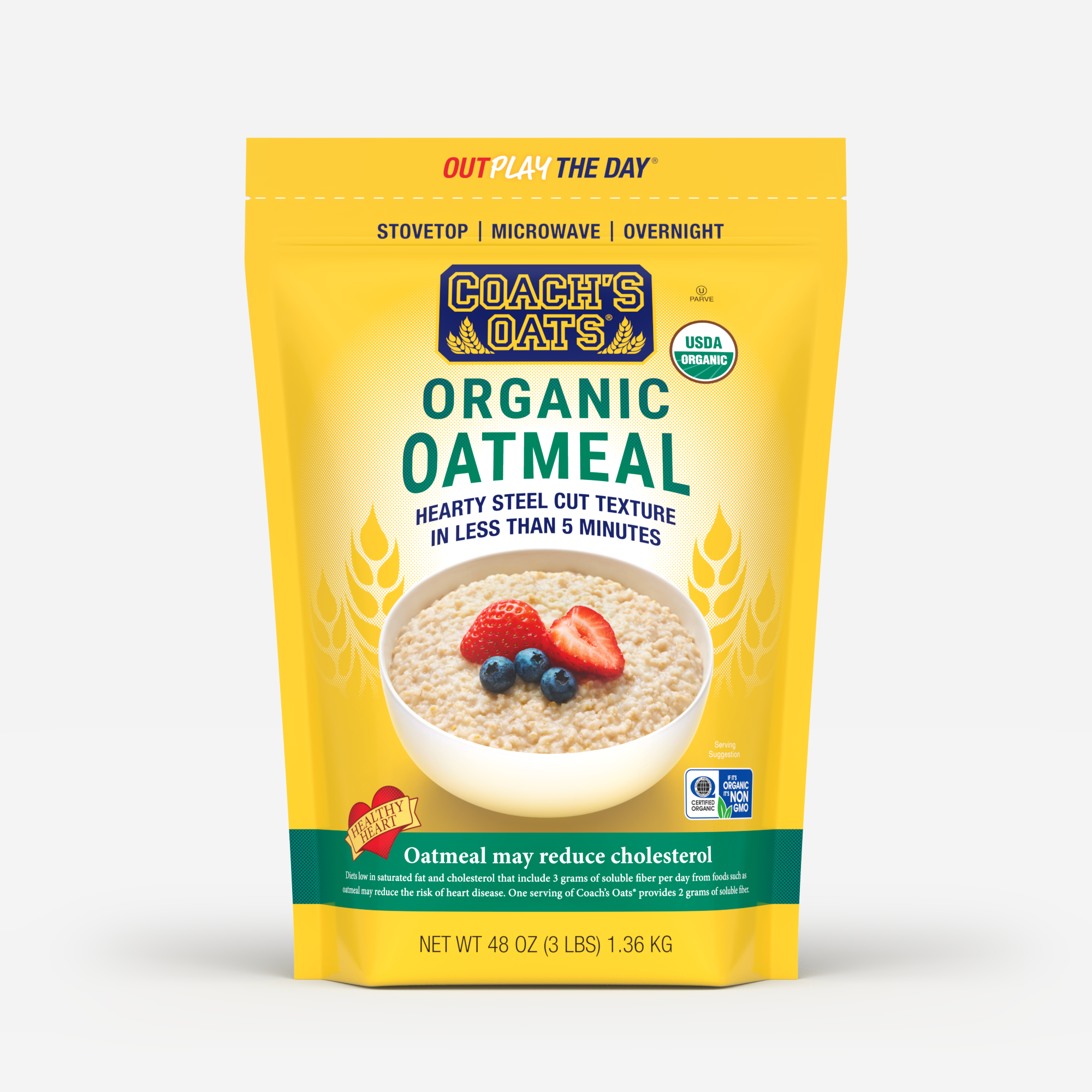
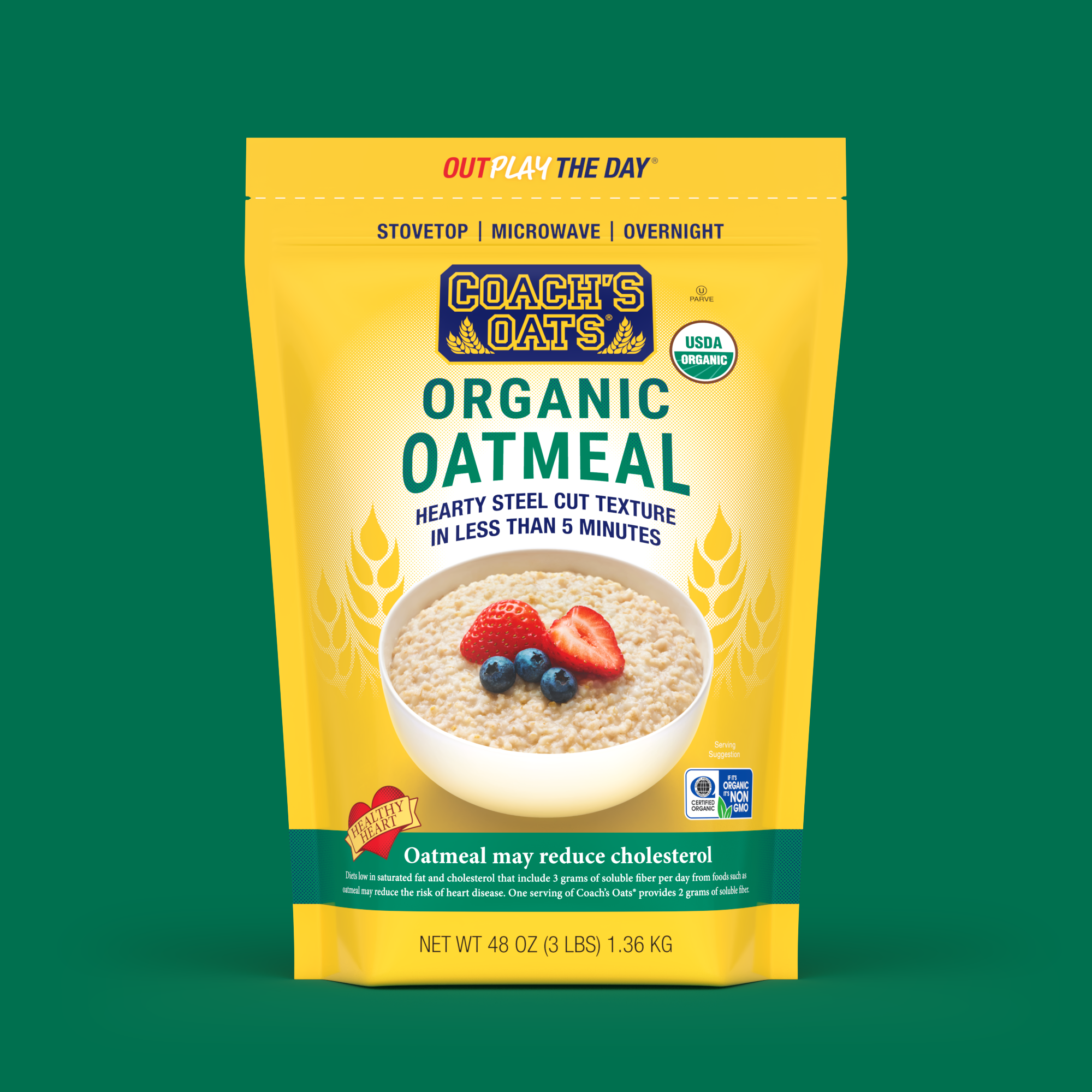
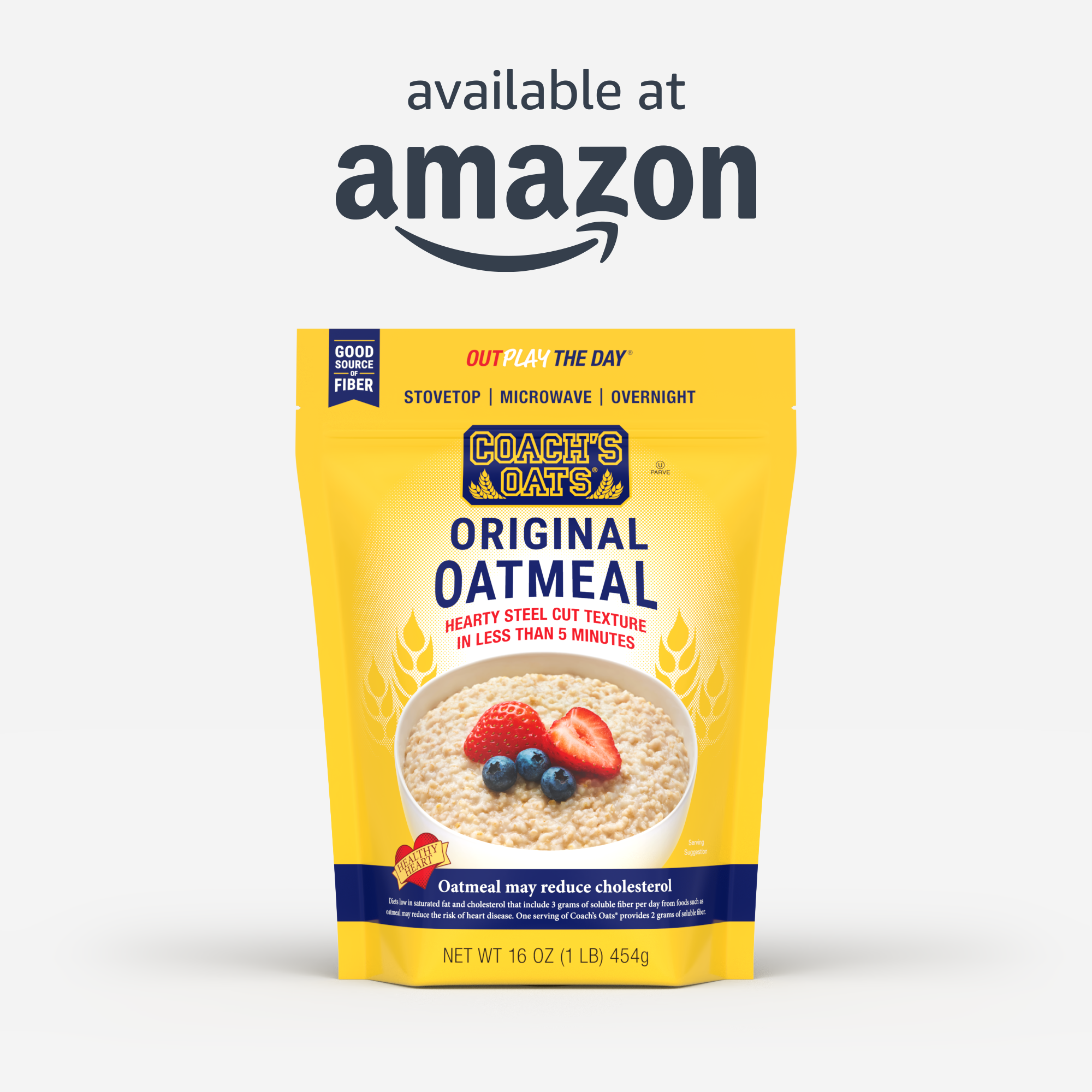
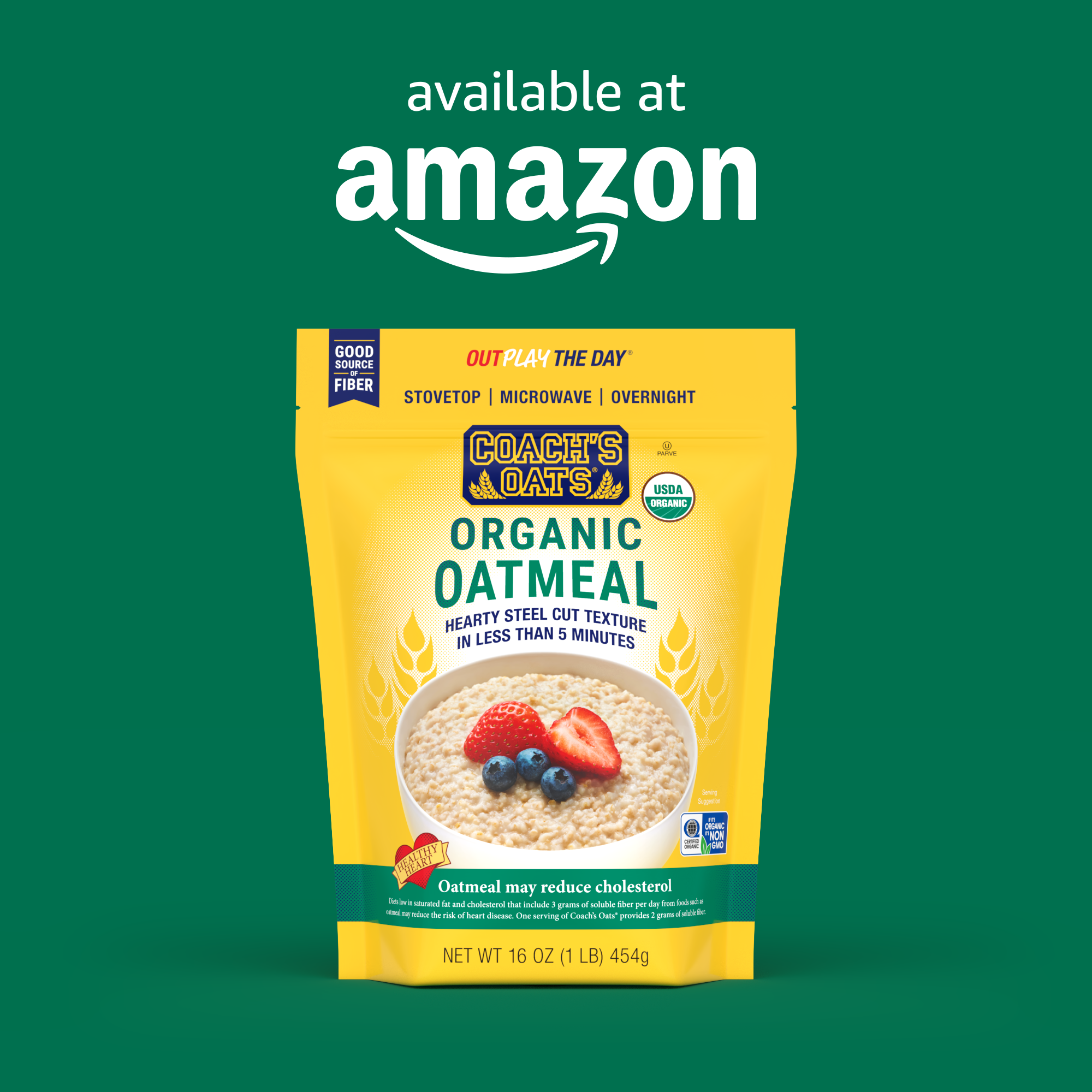
- Coach’s Oats
- Steel-cut oats
- Rolled oats
These varieties are less processed and have a lower glycemic impact compared to instant oatmeal, which is often more refined and may contain added sugars.
Always check labels and avoid flavored packets that include sweeteners.
Tips for Making Oatmeal Diabetes-Friendly
To maximize the benefits of oatmeal, consider how you prepare and serve it.
Helpful tips include:
- Keep portions moderate to avoid excess carbohydrates
- Add protein sources like Greek yogurt, nuts, or seeds
- Include healthy fats such as chia seeds or almond butter
- Top with low-glycemic fruits like berries instead of sugary options
These additions help further slow digestion and keep blood sugar levels stable.
Final Thoughts
Oatmeal can be a smart and satisfying choice for people managing diabetes. With its ability to regulate blood sugar, improve insulin response, support heart health, and reduce cravings, it offers a range of benefits in one simple meal.
The key is to choose the right type of oats and pair them with balanced ingredients to create a steady, nourishing breakfast.
With thoughtful preparation and consistency, oatmeal can be a valuable part of a healthy, diabetes-friendly lifestyle.





Leave a comment
All comments are moderated before being published.
This site is protected by hCaptcha and the hCaptcha Privacy Policy and Terms of Service apply.