

Oatmeal has long been considered one of the healthiest breakfast options—but like many popular foods, it’s also surrounded by plenty of myths and misinformation. From claims that it causes weight gain to concerns about carbs and blood sugar, oatmeal often gets unfairly criticized.
If you’ve ever wondered whether these rumors are true, you’re not alone. Let’s take a closer look at some of the most common myths about oatmeal—and what the facts really say.
Myth #1: Oatmeal Makes You Gain Weight
One of the biggest misconceptions is that oatmeal leads to weight gain. In reality, oatmeal can actually support weight loss when eaten in appropriate portions.
Oats are rich in fiber, which helps you feel full and satisfied for longer periods. This can reduce overall calorie intake by preventing unnecessary snacking. The confusion often comes from what people add to their oatmeal—large amounts of sugar, syrup, or high-calorie toppings can turn a healthy meal into a calorie-heavy one.
On its own, oatmeal is a balanced, good source of fiber food that can help with weight management.
Myth #2: Oatmeal Is Too High in Carbs to Be Healthy
It’s true that oatmeal contains carbohydrates—but not all carbs are the same.
Oats are made up of complex carbohydrates, which digest slowly and provide a steady release of energy. This is very different from refined carbs found in sugary cereals or baked goods, which can cause spikes and crashes in blood sugar.
Carbohydrates are an essential energy source, especially for your brain and muscles. The carbs in oatmeal are not only healthy—they’re beneficial.
Myth #3: Oatmeal Spikes Blood Sugar
Some people believe oatmeal is bad for blood sugar levels, particularly those managing diabetes. However, this isn’t entirely accurate.
Oatmeal has a low to moderate glycemic index, meaning it raises blood sugar more slowly than many other carbohydrate-rich foods. Its soluble fiber, especially beta-glucan, helps slow down the absorption of glucose into the bloodstream.
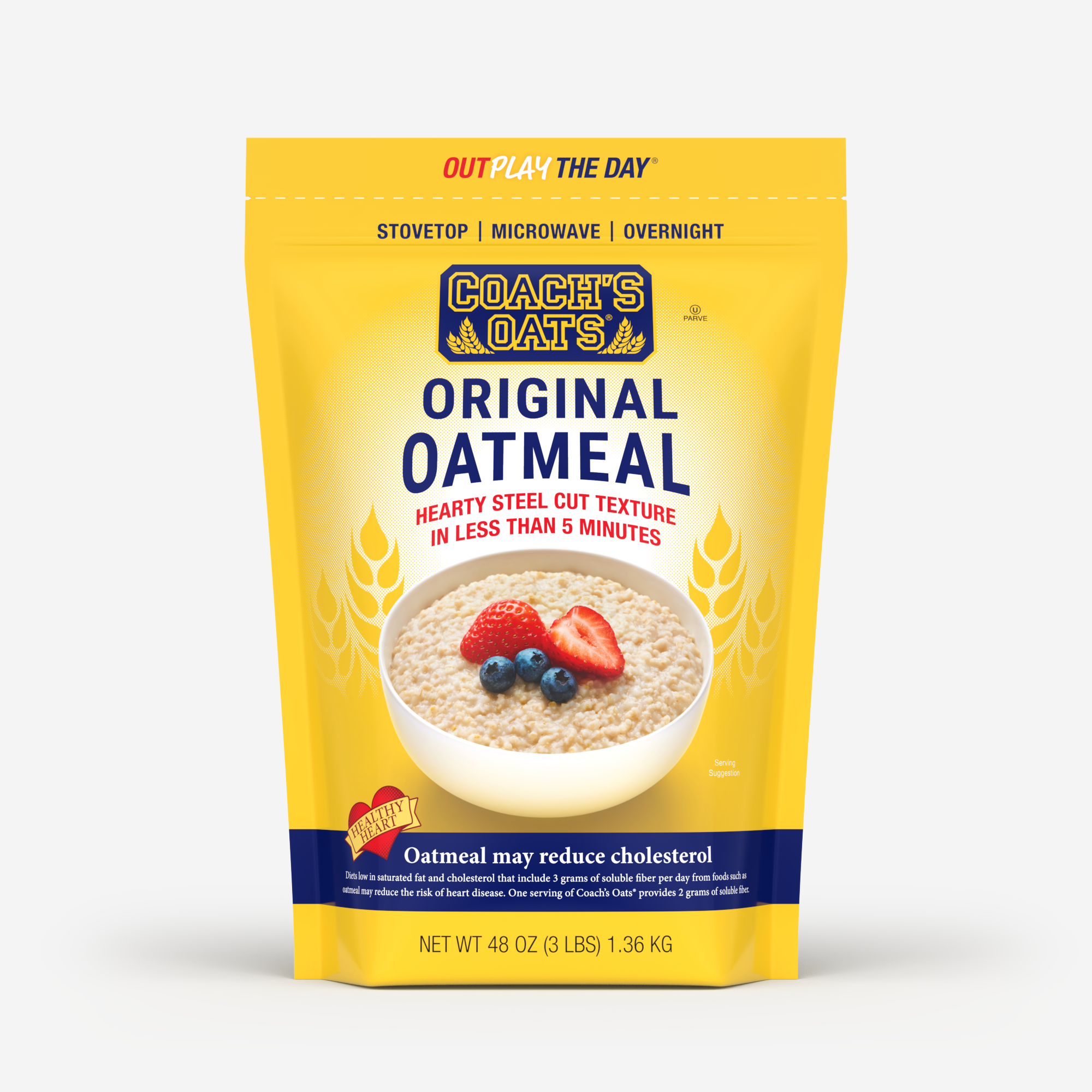
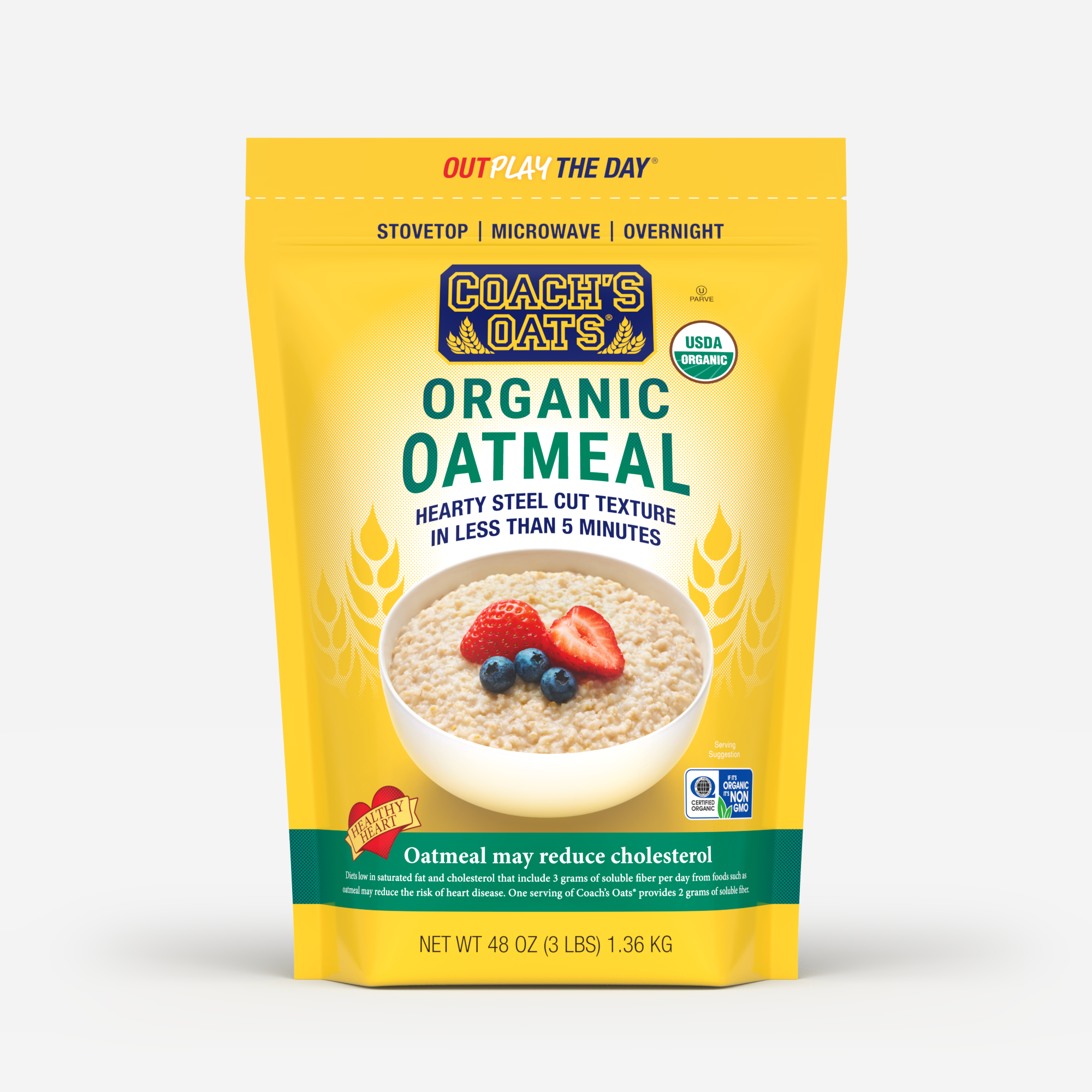
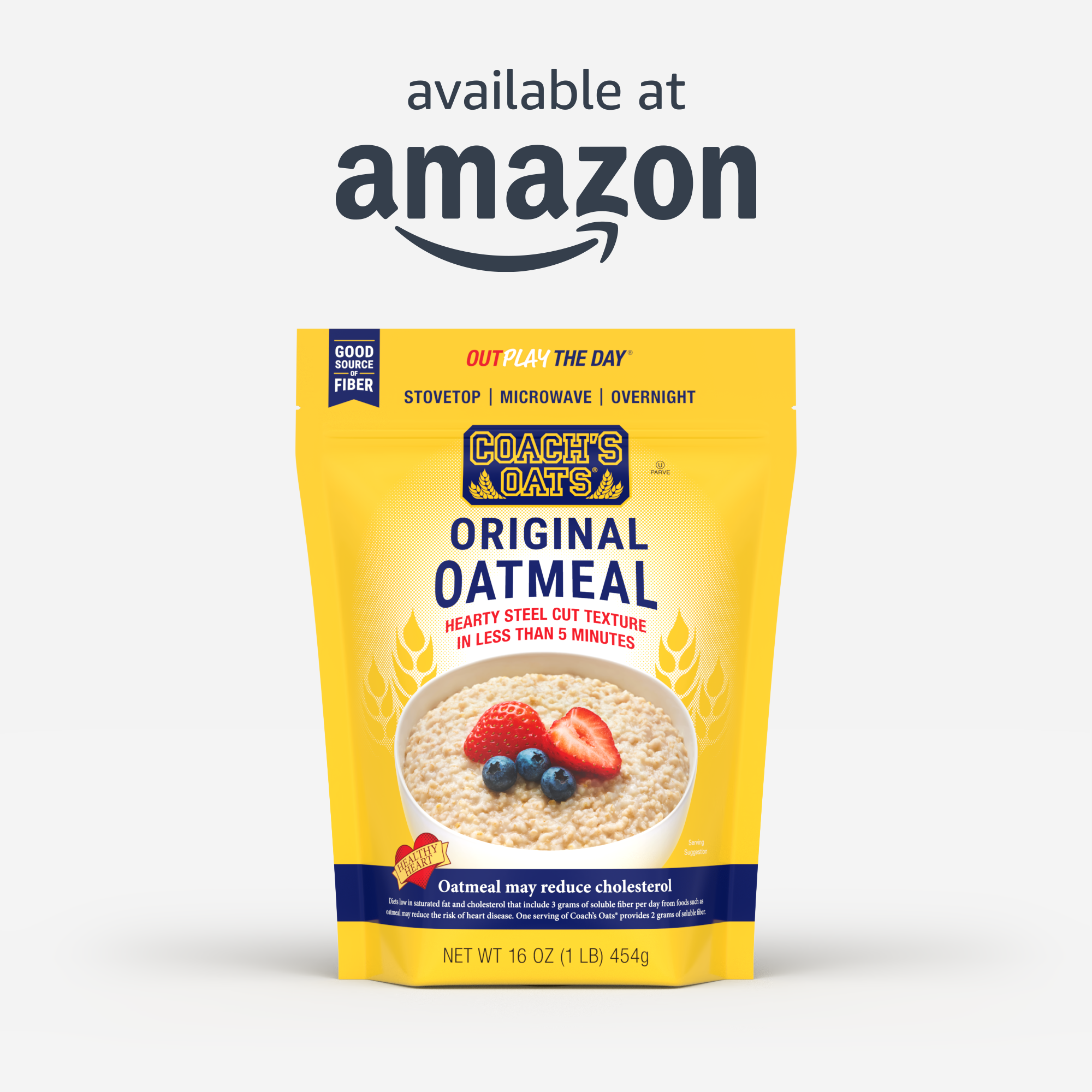
That said, heavily processed instant oatmeal with added sugars can have a greater impact on blood sugar. Choosing whole grain oats like Coach’s Oats or steel-cut oats makes a big difference.
Myth #4: Oatmeal Doesn’t Have Enough Protein
While oatmeal isn’t as high in protein as foods like eggs or meat, it still provides a moderate amount—typically around 5 grams per serving.
More importantly, oatmeal is easy to combine with protein-rich ingredients like Greek yogurt, milk, nuts, seeds, or protein powder. With a few simple additions, you can turn it into a high-protein meal.
So while oatmeal alone may not be a protein powerhouse, it can easily become one.
Myth #5: Eating Oatmeal Every Day Is Bad for You
Another common rumor is that eating oatmeal daily can be harmful or lead to nutrient imbalances.
In reality, oatmeal can be part of a healthy daily routine when paired with a variety of other nutrient-rich foods. It provides fiber, vitamins, minerals, and antioxidants that support overall health.
As with any food, balance is key. Eating oatmeal regularly is not only safe—it can be beneficial when included as part of a well-rounded diet.
Final Thoughts
Oatmeal has earned its reputation as a healthy, reliable food—but misinformation can sometimes make people question its benefits. The truth is that most of the negative claims about oatmeal are based on misunderstandings or how it’s prepared.
When you choose minimally processed oats and pair them with nutritious ingredients, oatmeal remains one of the best options for a balanced, satisfying meal.
Don’t let myths steer you away from a food that has stood the test of time. Sometimes, the simplest choices really are the healthiest.



Leave a comment
All comments are moderated before being published.
This site is protected by hCaptcha and the hCaptcha Privacy Policy and Terms of Service apply.