
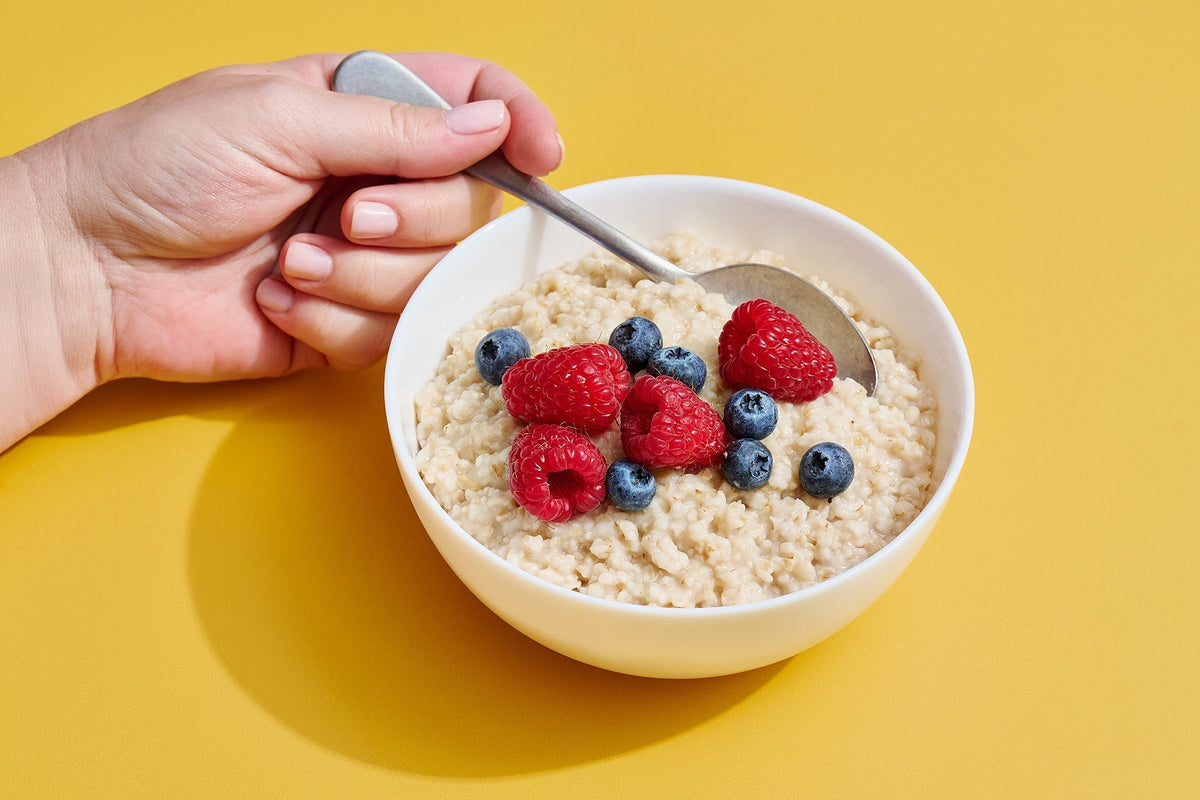
High cholesterol is a common health concern that can increase the risk of heart disease and stroke. While medications are sometimes necessary, many people can improve their cholesterol levels through simple dietary changes. One of the most effective and accessible foods for this purpose is oatmeal.
Oatmeal has long been recognized as a heart-healthy breakfast, and much of its power comes from its ability to help lower LDL cholesterol—the “bad” cholesterol that contributes to plaque buildup in the arteries. Adding a bowl of oatmeal to your daily routine may seem like a small change, but it can have a meaningful impact on your overall health.
The Key Ingredient: Soluble Fiber
The main reason oatmeal helps lower cholesterol is its high content of soluble fiber, particularly a type called beta-glucan.
When you eat oatmeal, this soluble fiber dissolves in water and forms a thick, gel-like substance in your digestive system. This gel binds to cholesterol-rich bile acids in the intestines and helps remove them from the body. Because bile acids are made from cholesterol, your body pulls cholesterol from your bloodstream to produce more bile acid—effectively lowering your overall cholesterol levels.
This natural process is one of the reasons oatmeal is often recommended as part of a heart-healthy diet.
Reduces LDL (“Bad”) Cholesterol
Not all cholesterol is harmful, but high levels of LDL cholesterol can lead to plaque buildup in your arteries, increasing the risk of heart disease.
Studies have shown that regularly consuming oats can reduce LDL cholesterol levels over time. Even a small daily serving—about 3 grams of beta-glucan, which is roughly one bowl of oatmeal—can make a measurable difference.
What’s especially important is that oatmeal lowers LDL cholesterol without negatively affecting HDL cholesterol, the “good” cholesterol that helps protect your heart.
Supports Overall Heart Health
Lowering cholesterol is just one piece of the puzzle when it comes to heart health, and oatmeal contributes in several other ways.
Oats contain antioxidants, including compounds called avenanthramides, which help reduce inflammation and improve blood vessel function. They also provide important nutrients like magnesium and potassium, which support healthy blood pressure levels.
Together, these benefits make oatmeal a powerful food for protecting your cardiovascular system.
Helps Replace Less Healthy Foods
Another reason oatmeal can help lower cholesterol is what it replaces in your diet.
If you swap out high-fat, high-sugar breakfast options—such as pastries, processed cereals, or fried foods—for oatmeal, you naturally reduce your intake of saturated fats and added sugars. These are two major contributors to high cholesterol.
By choosing oatmeal, you’re not just adding something healthy—you’re also removing foods that may be harming your heart.
Easy to Add to Daily Routine
One of the best things about oatmeal is how easy it is to incorporate into your diet. It’s quick to prepare, affordable, and widely available.
You can enjoy it in a variety of ways:
-
Traditional hot oatmeal
-
Overnight oats for a grab-and-go option
-
Blended into smoothies for added fiber
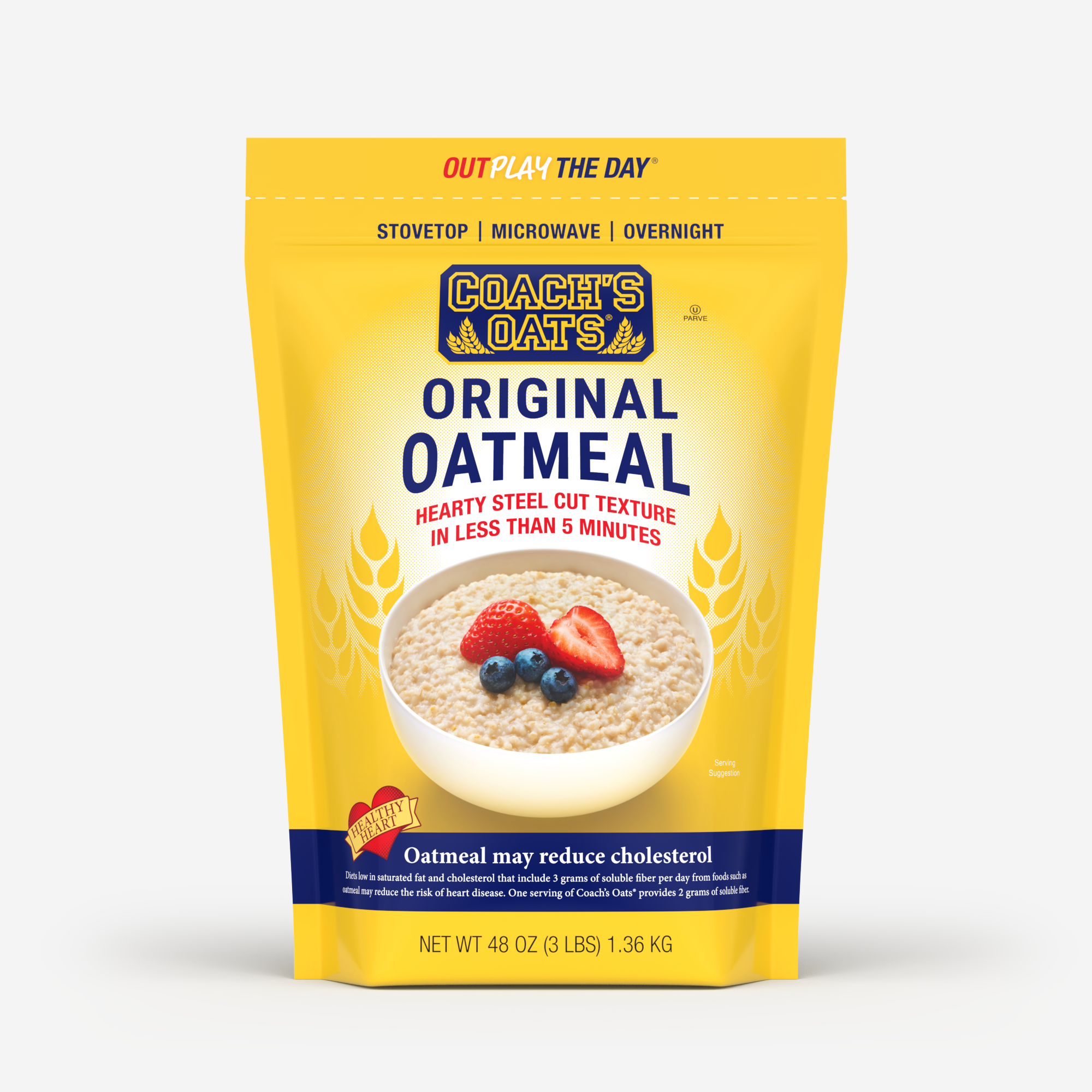
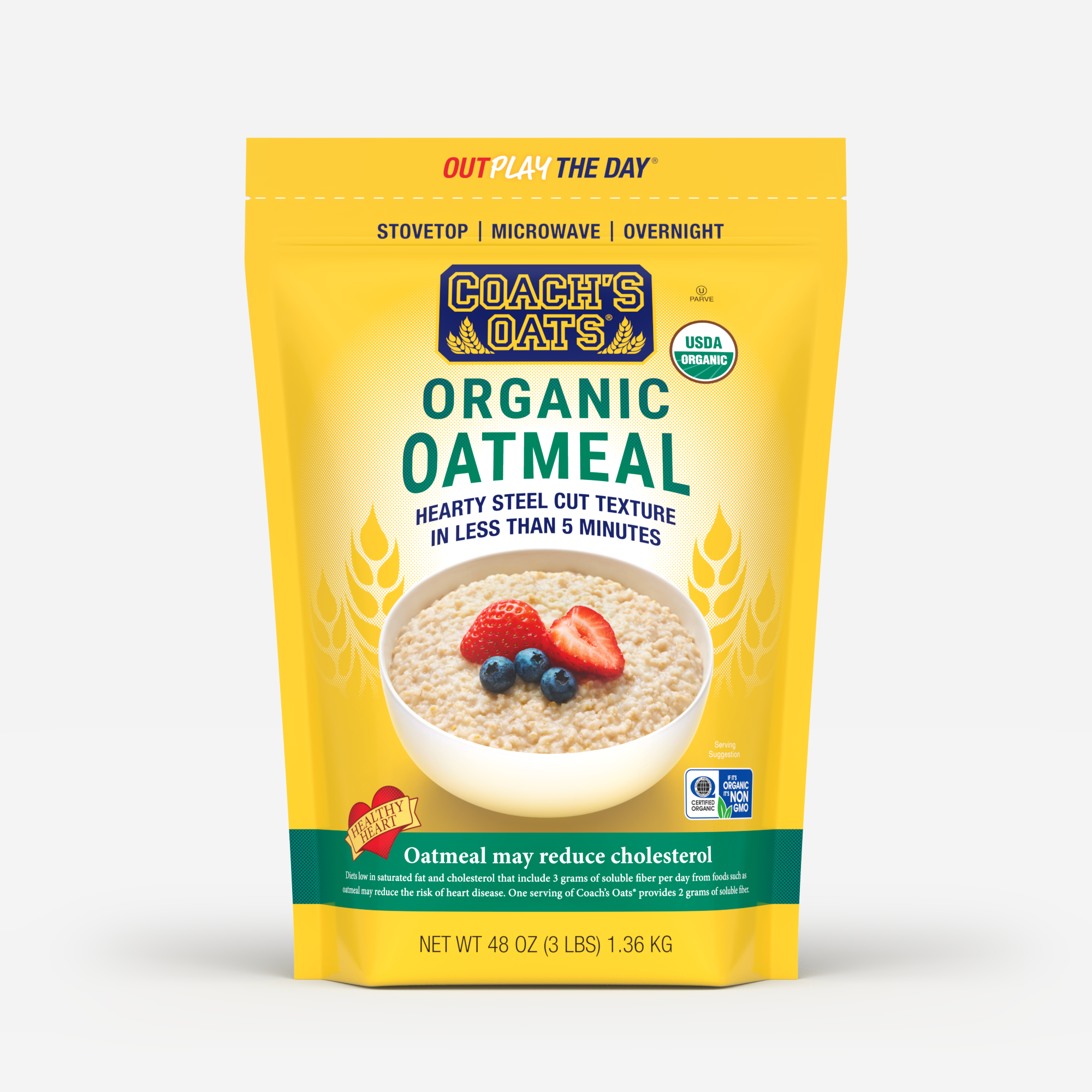
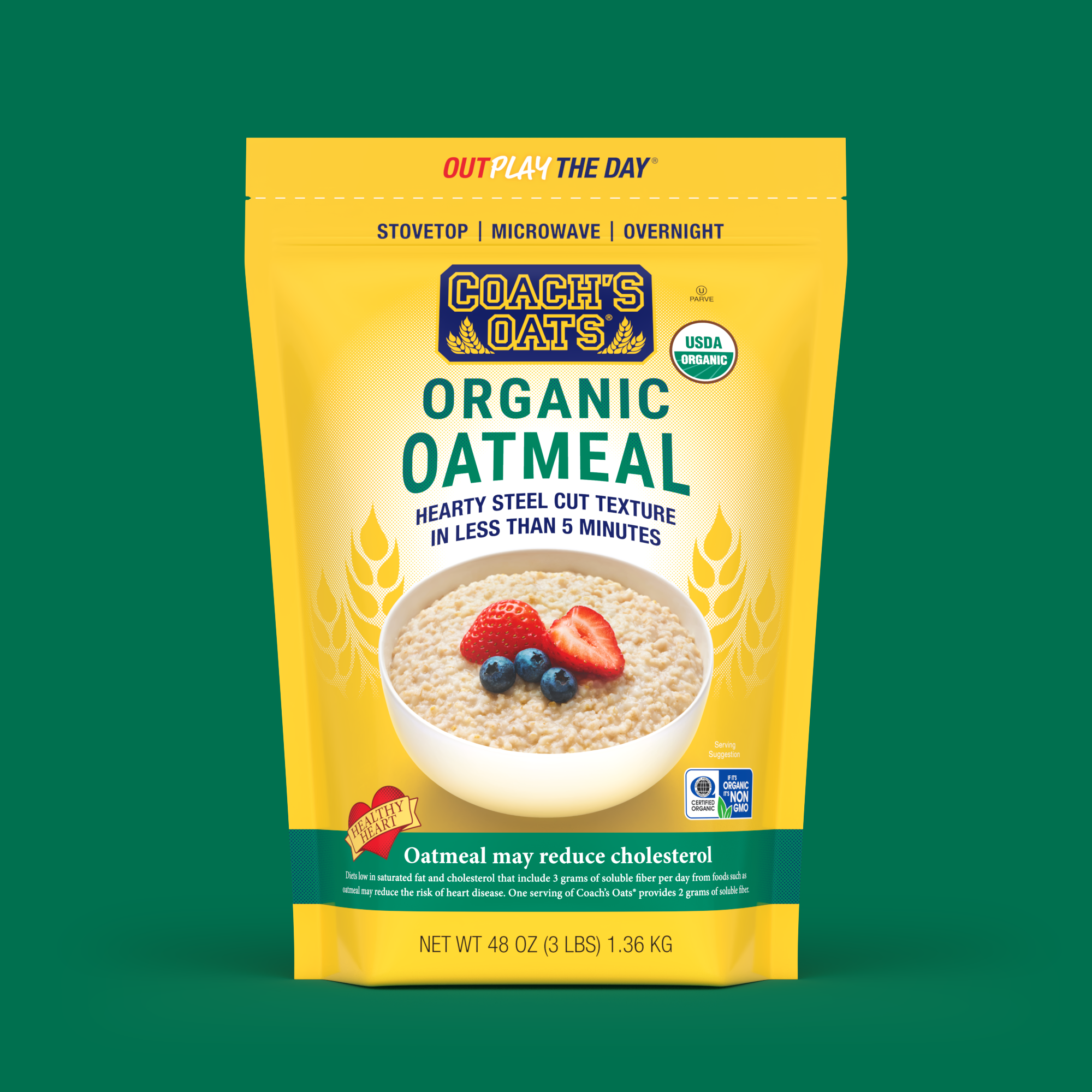
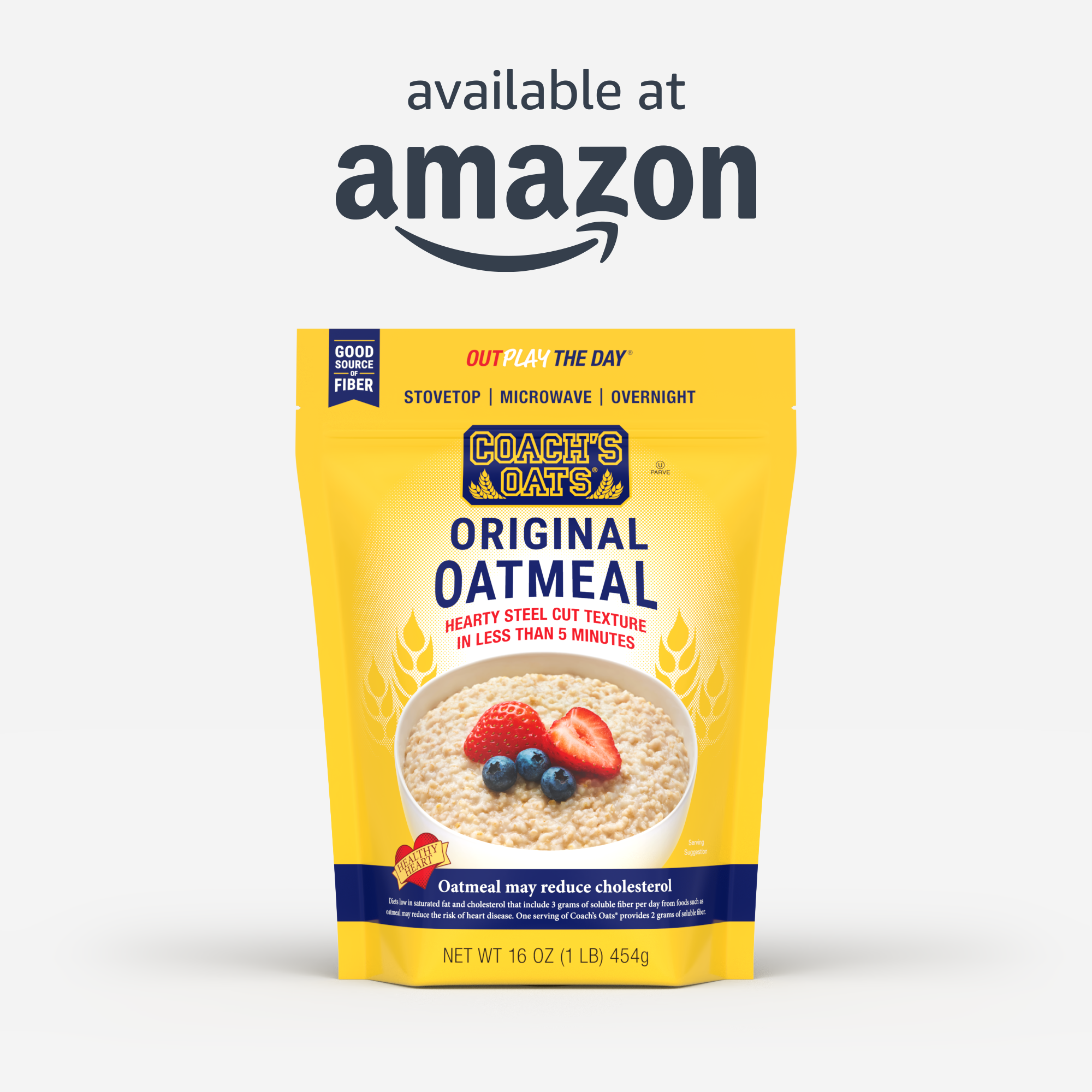
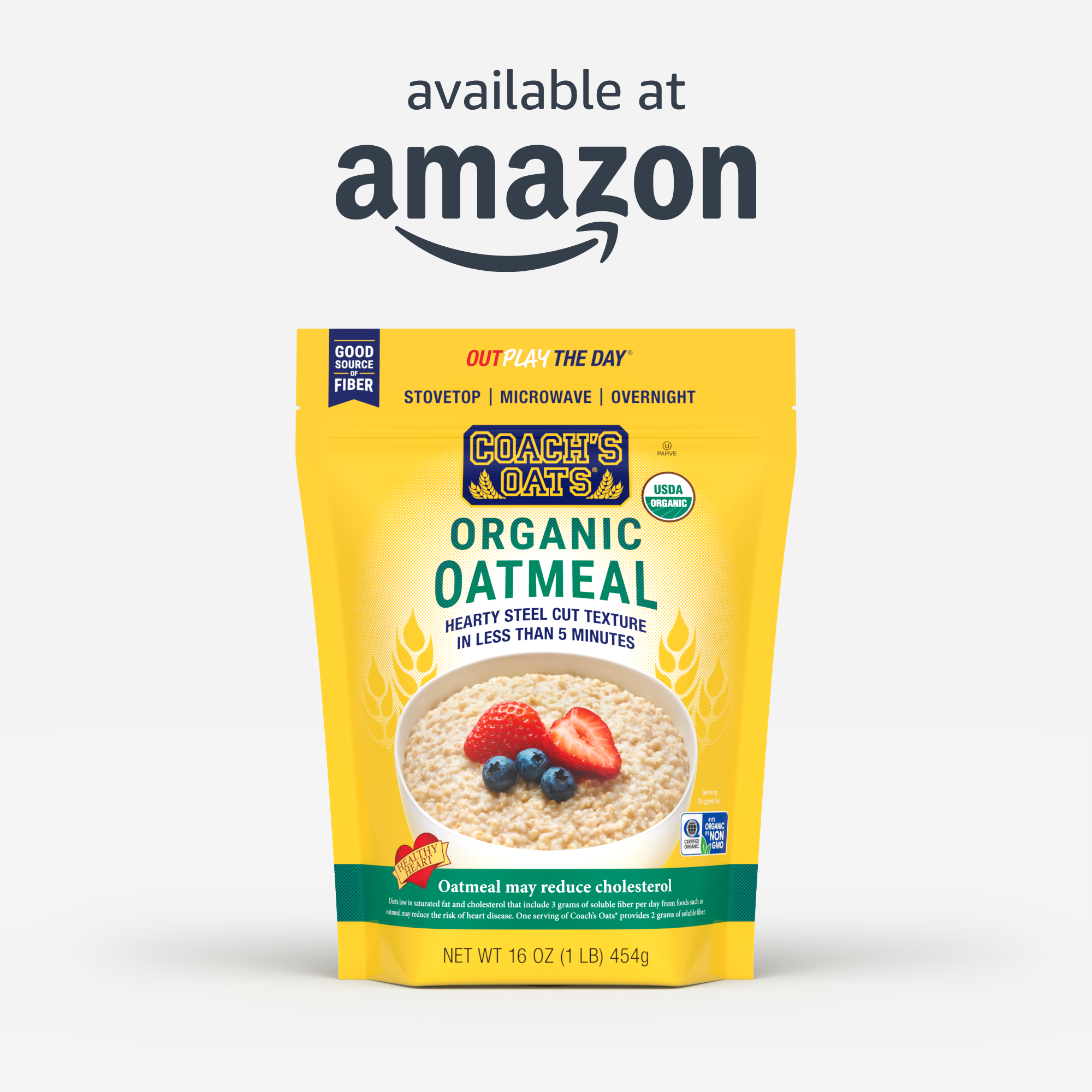
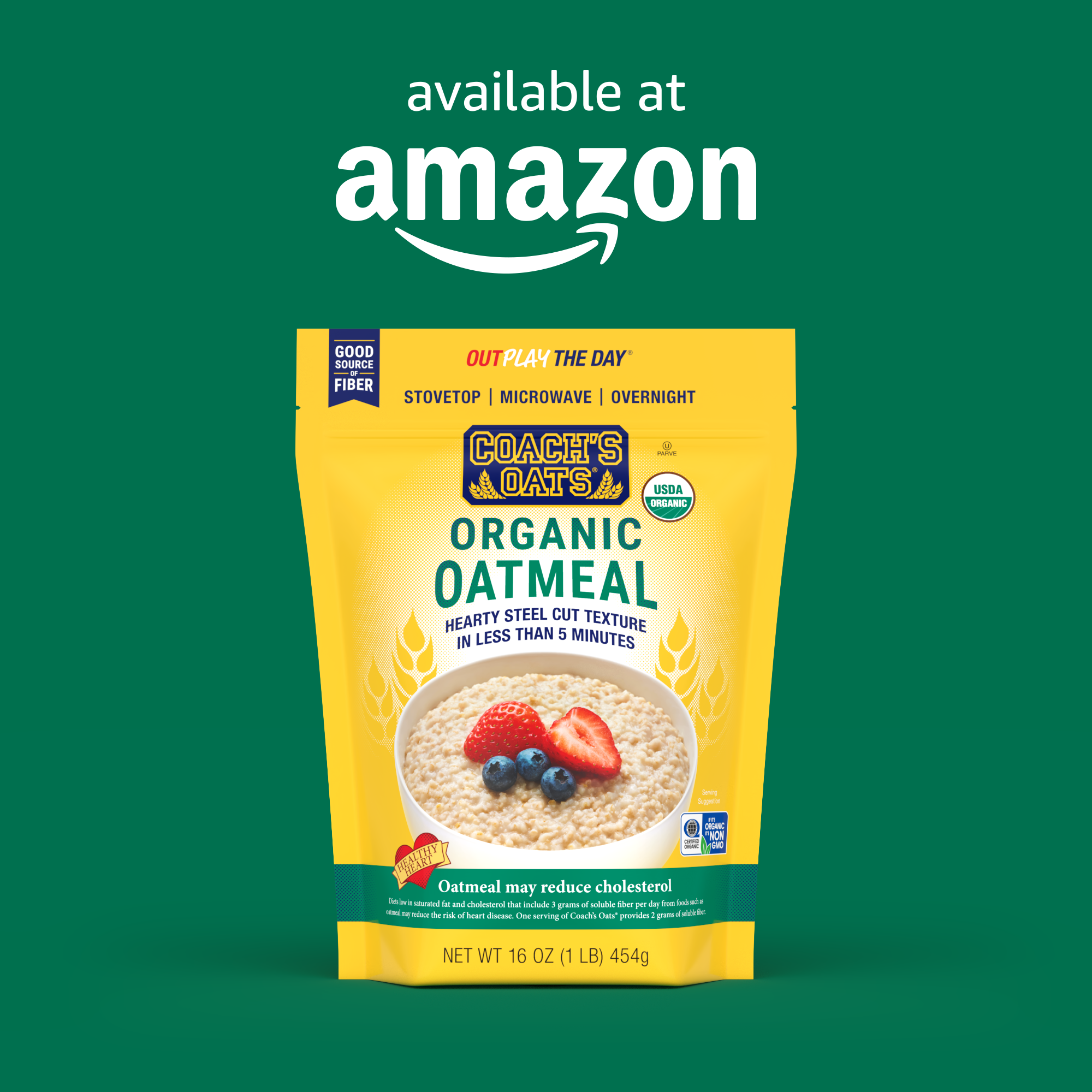
To maximize its cholesterol-lowering benefits, try to choose minimally processed oats such as Coach’s Oats, rolled oats or steel-cut oats, and avoid flavored instant packets that contain added sugars.
Boosting the Benefits
You can make oatmeal even more effective by adding other heart-healthy ingredients.
Consider topping your oatmeal with:
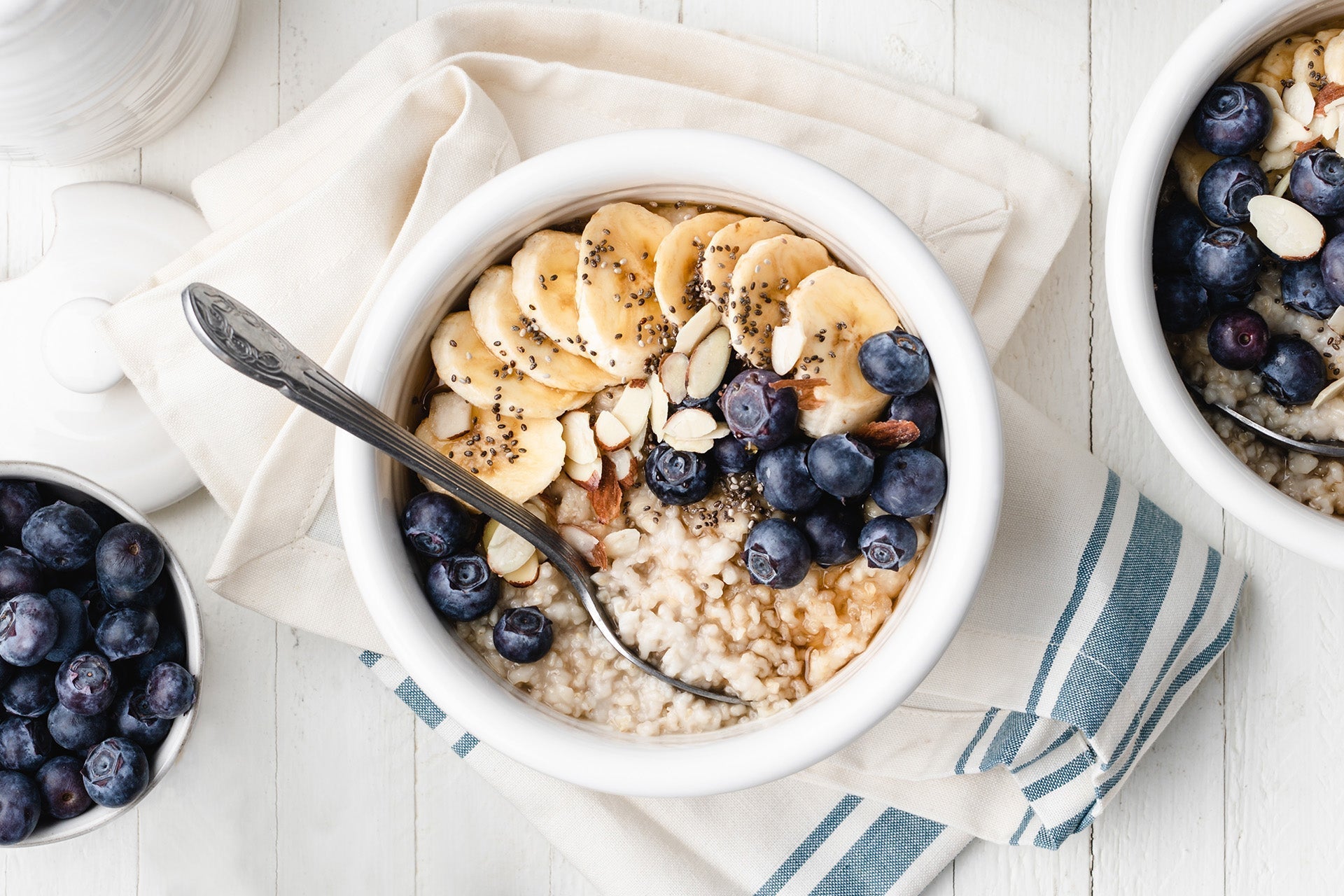
- Fresh fruit such as berries or apples
- Nuts such as almonds or walnuts
- Seeds such as chia or flaxseed
These additions provide extra fiber, healthy fats, and antioxidants, all of which support cholesterol reduction and overall health.
Consistency Is Key
Like most dietary changes, the benefits of oatmeal come with consistency. Eating it once in a while won’t have the same effect as making it a regular part of your routine.
Incorporating oatmeal into your daily breakfast—even a few times per week—can contribute to long-term improvements in your cholesterol levels and heart health.
Final Thoughts
Oatmeal is more than just a simple breakfast—it’s a powerful, natural way to support healthy cholesterol levels. Thanks to its soluble fiber content, it helps reduce LDL cholesterol while promoting overall heart health.
By making oatmeal a regular part of your diet and pairing it with other nutritious foods, you can take a meaningful step toward protecting your heart and improving your well-being.
Sometimes, the most effective health solutions are also the simplest—and a bowl of oatmeal is a great place to start.



Leave a comment
All comments are moderated before being published.
This site is protected by hCaptcha and the hCaptcha Privacy Policy and Terms of Service apply.